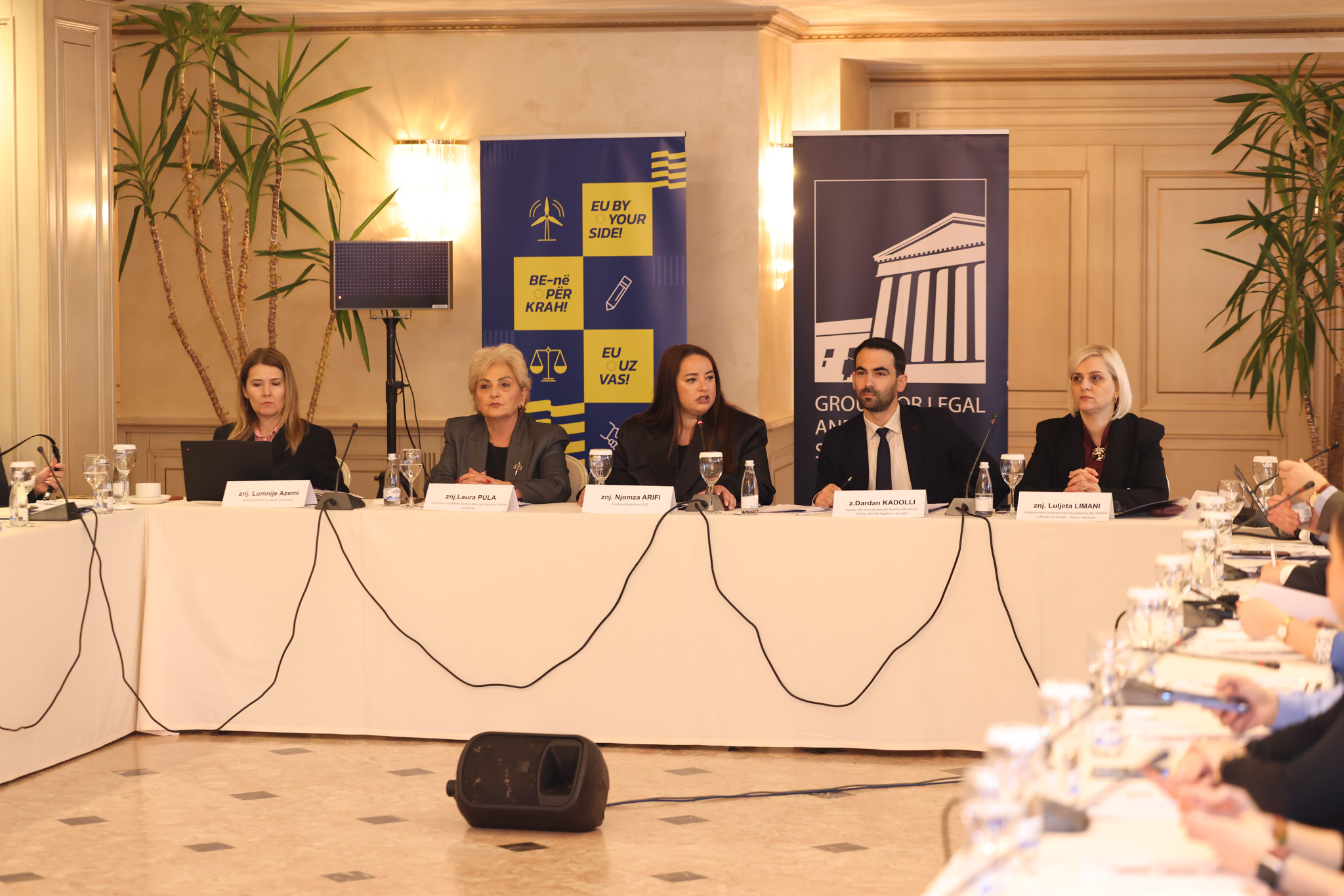
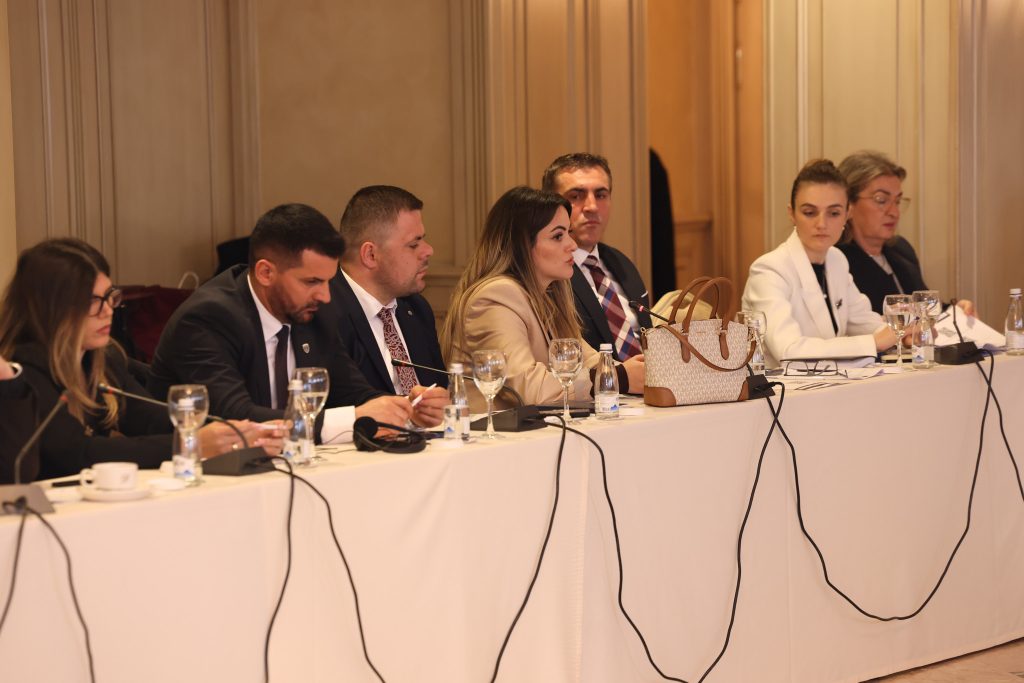
March 31, 2026 – Group for Legal and Political Studies (GLPS) organized a roundtable discussion on the topic: “Assessing the Institutional Treatment of Domestic Violence Cases in 2025,” bringing together representatives from key justice institutions, civil society, and international organizations. During the event, GLPS presented its Annual Analysis titled: “Performance and Gaps: Institutional Response to Domestic Violence in 2025,” which provides a comprehensive review of how cases were handled by the Kosovo Police, the State Prosecution, and the courts.
The Panel included of the Judge and Coordinator for Domestic Violence Cases, Mr. Dardan Kadolli, the Prosecutor at the Office of the Prosecutor General and the Coordinator for Domestic Violence Cases, Ms. Laura Pula, as well as the Director for Prevention and Investigation of Domestic Violence in the Kosovo Police, Ms. Luljeta Limani, who addressed the main challenges in handling cases and the need to strengthen institutional coordination.
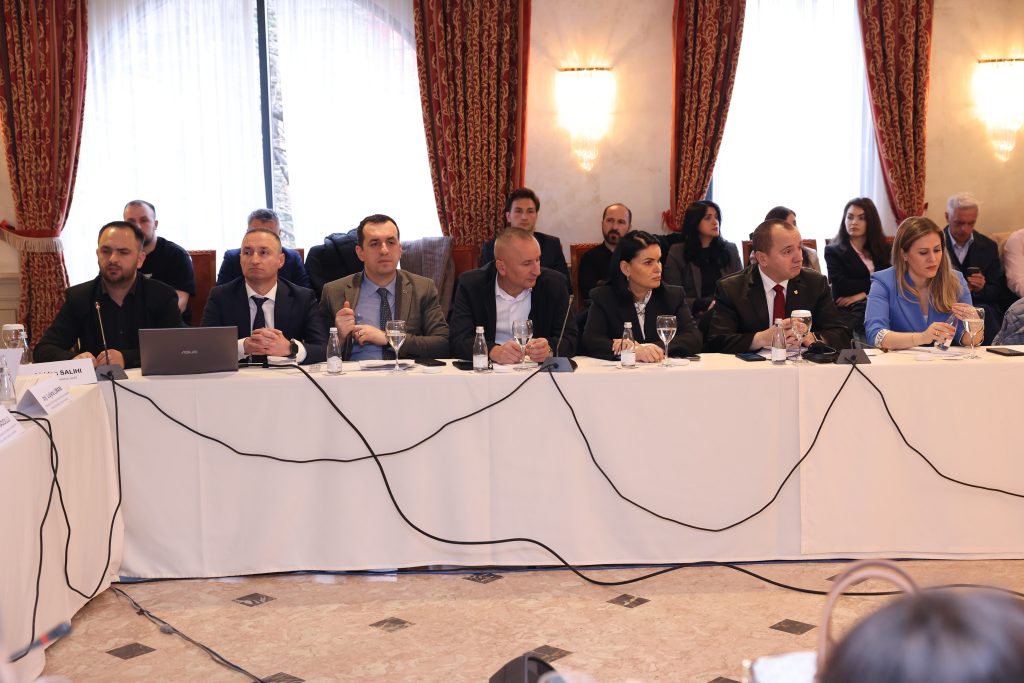
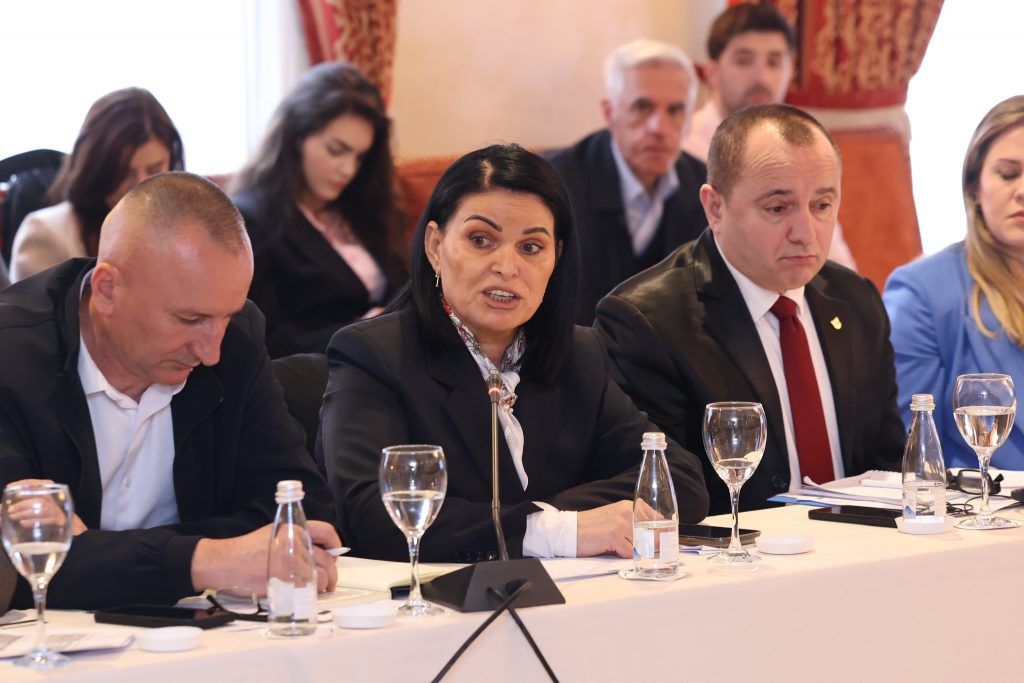
The report’s findings show that during 2025, 2,815 cases of domestic violence were reported, with a total of 2,836 victims, with women accounting for over 75% of victims, while the majority of suspects are men. At the level of criminal prosecution, 2,453 criminal reports were filed, of which 1,901 resulted in indictments, reflecting a relatively high rate of case processing. However, the report highlights a discrepancy between reported cases, criminal prosecution and judicial outcome.
In terms of institutional efficiency, the Prosecution has recorded higher performance with a treatment rate of over 90% and an average time of around 38 days for processing cases. Meanwhile, the courts continue to face significant delays, resolving only around 56% of cases and with an average time of around 281 days for a case. Also, although the majority of cases end with convictions, only a limited part results in effective sentences, which raises concerns about the punitive policy applied by the justice system.
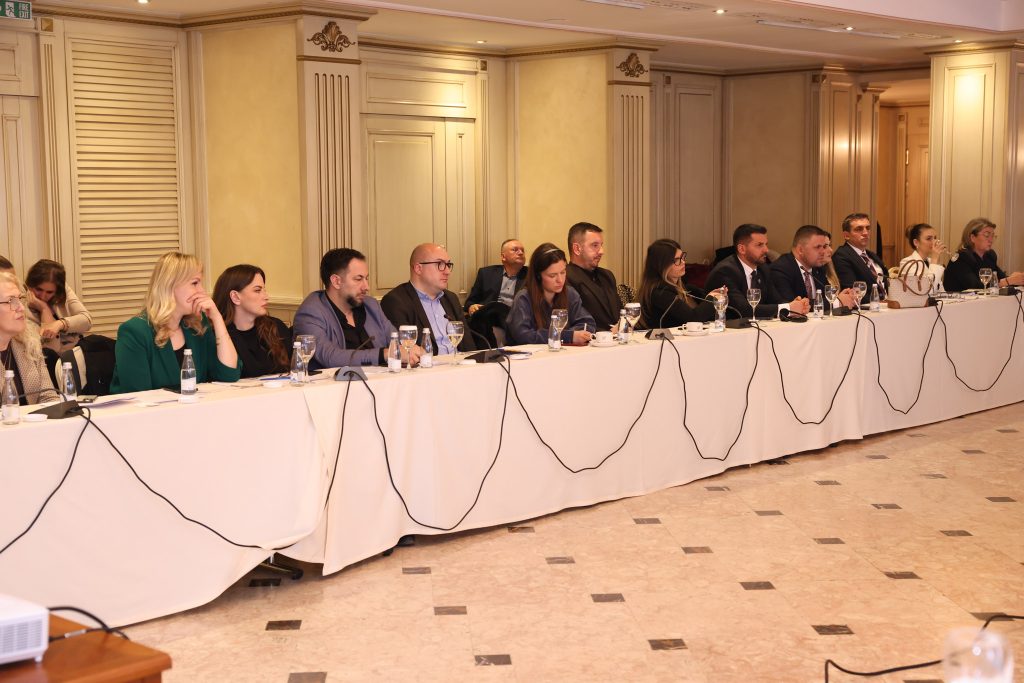
From the monitoring of 830 sessions in basic courts, GLPS evidenced that 448 of them dealt with domestic violence, while 382 had elements of gender-based violence. From the monitoring findings, it results that 260 sessions were postponed, mainly as a result of the lack of parties. In addition to procedural delays, direct observation highlighted serious shortcomings in case management and the way victims are treated during judicial processes.
Recommendations based on the report’s findings include strengthening and updating the legislation on online violence and the full implementation of electronic surveillance for convicts. Better coordination between institutions is required by integrating data with the state database. Courts, Prosecutors’ Offices and Lawyers are also required to increase their responsibility by taking all measures to reduce the number of canceled or postponed hearings. The list of recommendations also includes the issue of the KJC database, which requires that it include data on the gender of defendants and victims, their family relationship, economic status, total sentence imposed, duration from admission to resolution of the case, type of domestic violence that was caused, age group of defendants and victims, etc.
The full report can be found here.
Venue: Hotel Swiss Diamond, Sqr. Mother Theresa, 10000 Prishtina, Kosova.
Share article


Latest Publications
June 22, 2026
Policy Notes
An Outlook for 2026: Time for Kosova to Look Ahead
June 16, 2026
Policy Analysis
PAR Monitor Report Kosovo: Policy Development and Coordination 2024/2025
June 12, 2026
Policy Analysis
Western Balkan PAR Monitor: Policy Development and Coordination
Related Espresso Insights
July 2, 2026
Espresso.Insights
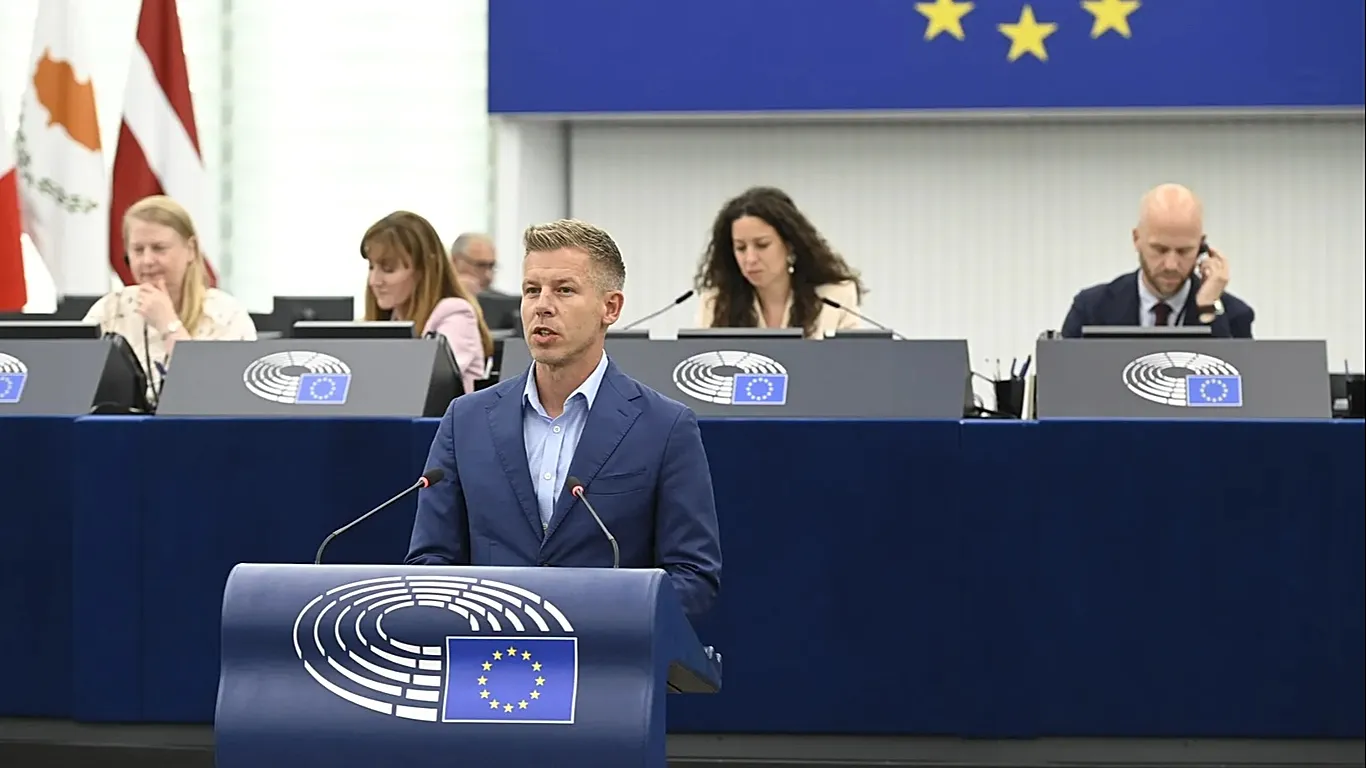
Peter Magyar on Kosovo: A shift or business as usual?
by GLPS

June 5, 2026
Espresso.Insights
Assisted Voting in Kosovo: Between Protecting Electoral Integrity and Limiting the Right to Vote
by GLPS