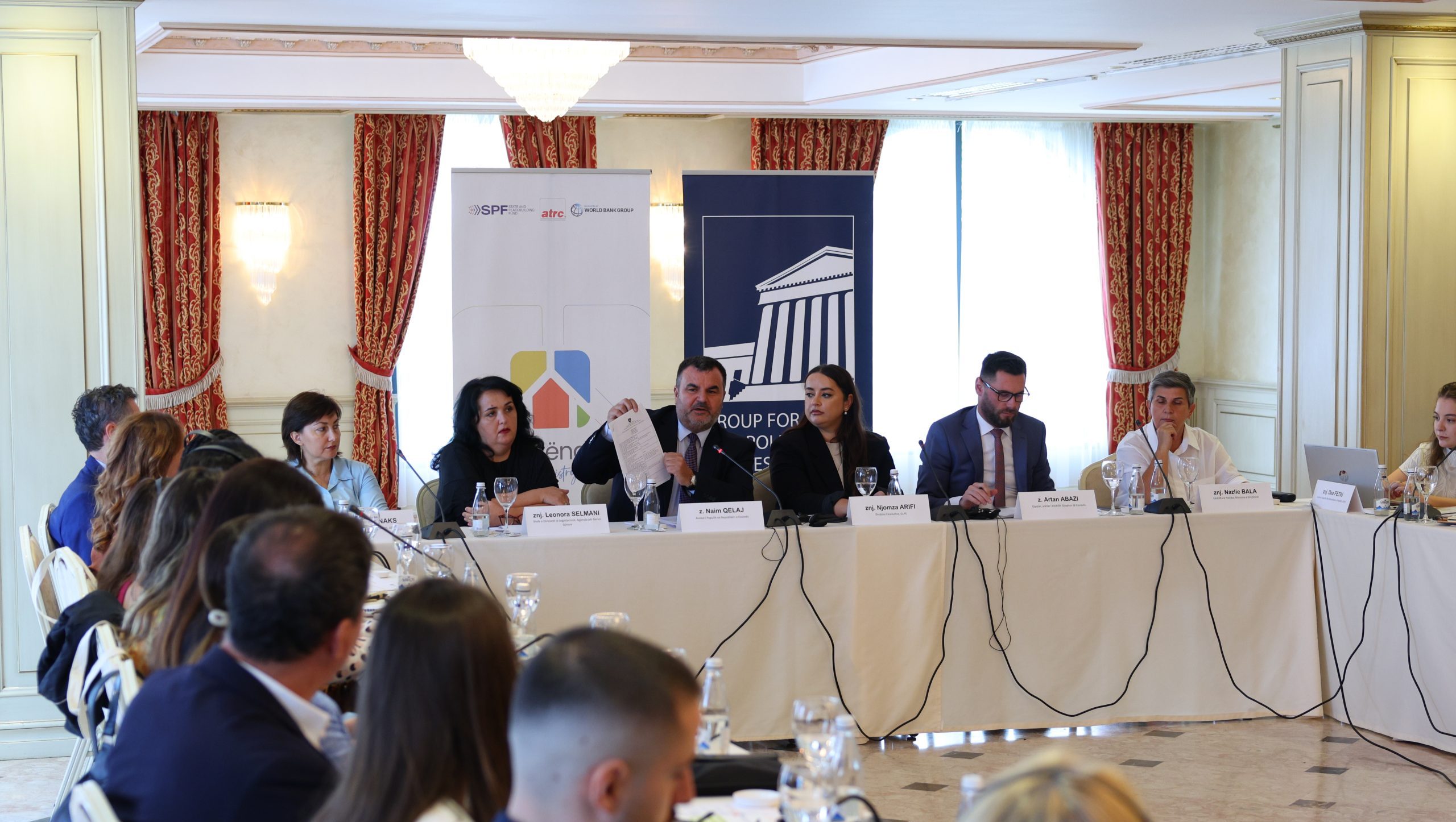
Prishtina, September 10, 2025 – Group for Legal and Political Studies (GLPS) hosted a Roundtable Discussion on the topic: “Women’s Challenges in Exercising Property Rights in Kosovo: An Overview from the Court Monitoring”, held in Prishtina. This discussion brought together representatives from the judiciary, ministries, independent institutions, civil society and international partner, aiming to discuss the court performance in addressing property rights disputes, focusing on women and non-majority communities.
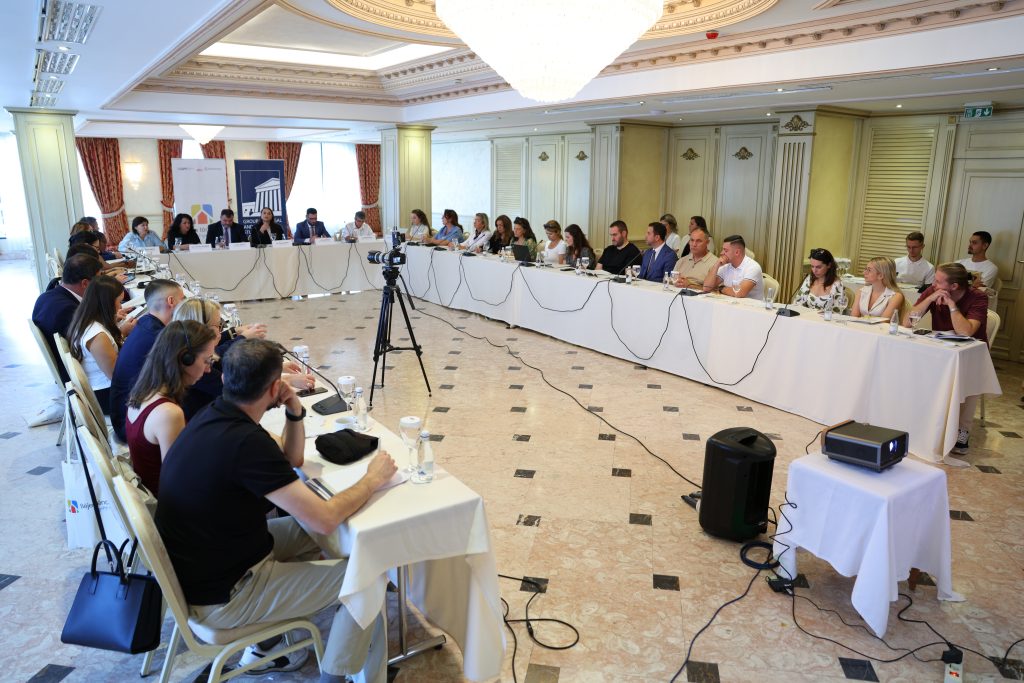
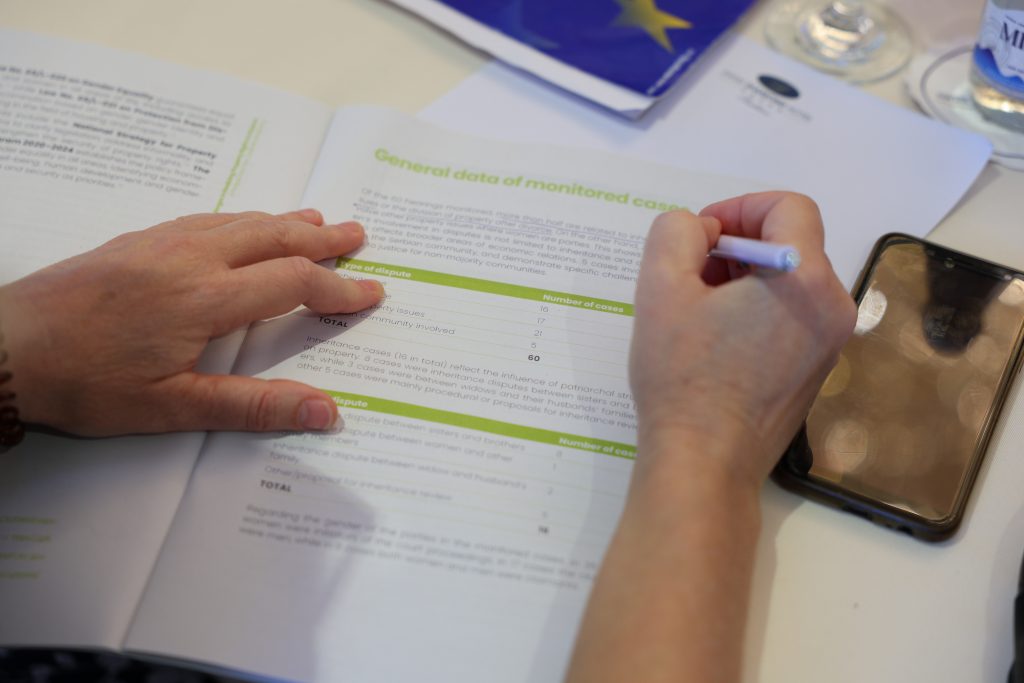
At the beginning of the event, GLPS published a Report with the same title, which highlights some of the key findings stemming from the systematic monitoring of 60 property disputes in courts, involving women and non-majority communities. The report aims to answer two key questions: (1) What do women contest in courts regarding property rights and what challenges do they face during court proceedings? and (2) What are the main challenges of the judicial system in handling these cases? The data for this report were obtained from direct monitoring of cases and court hearings in the Basic Courts and the Court of Appeal, in two phases of monitoring. In the period September 2024- March 2025.
Ms. Dea Fetiu – Author of the report and project manager mentioned some of the main findings while presenting the report. She put emphasis in the fact that the functioning of the judicial system in Kosovo remains constrained by a series of structural, technical and human challenges, which directly impact the way property disputes are handled and women’s access to justice. GLPS’ systematic monitoring has found that the problems are related to the entire process that precedes and accompanies the judicial procedure: lack of human resources, incomplete documentation of hearings, lengthy procedures, and weak legal representation of the parties. “About 45 percent of women who go through inheritance processes renounce their inheritance, often due to various pressures, some even voluntarily”, she added.
The PIAKOS Project Manager, Ms. Odeta Naks emphasized the report’s importance, noting that its findings should guide relevant institutions in addressing persistent challenges. “GLPS findings are very important. Recommendations deriving from this report will be pushed further to relevant institutions, so improvements are ensured”, she concluded.
Mr. Naim Qelaj, the Ombudsperson of Kosovo was the first panelist to speak. During his addressing, he noted that despite awareness efforts made, women’s exclusion from property rights remains widespread. He stressed that property disputes to be resolved before reaching the courts, while stating that other relevant institutions have an important role in solving these issues prior to reaching the court, if efforts are properly put. “The entire problem of property rights neither begins nor ends in court, the court is only one link in the system and considering the large number of court cases, we think that the other institutions in the chain of responsibilities in this field should react in preventing, and resolving property dispute cases prior to sending them to court”, he added.
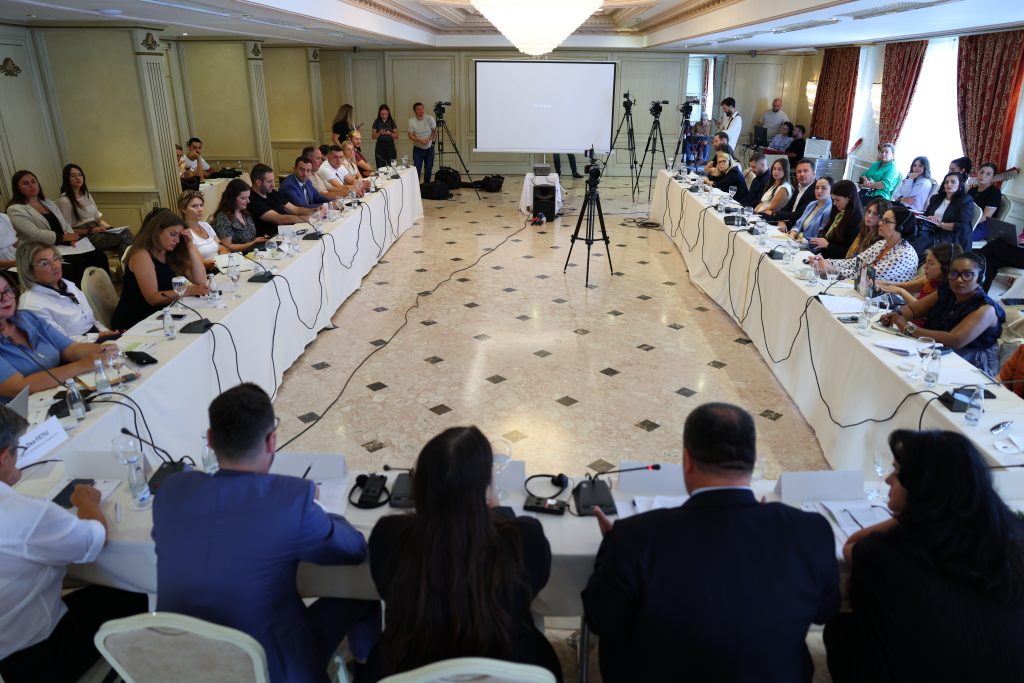
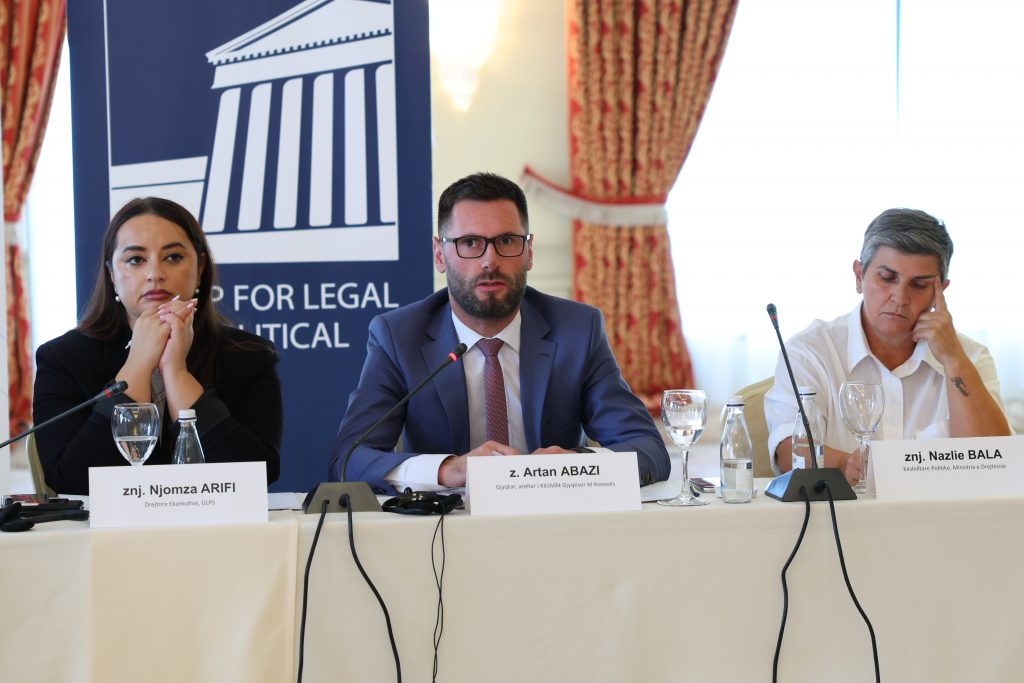
In addition, Mr. Artan Abazi, Judge and Member of the Kosovo Judicial Council (KJC) welcomed the report, emphasizing that its key findings are valid and that the recommendations will help advance improvements in the justice sector. “While the legal framework protecting women’s property rights is positive, the real challenges lie in its implementation”, he added. In addition, he emphasized the need for a more comprehensive approach, noting that all relevant institutions must play a role in safeguarding women’s property rights, and that courts should not be treated as the primary avenue for their realization.
On the other hand, Ms. Nazlie Balaj, Political Advisor at the Ministry of Justice highlighted that while the Constitution and legal framework guarantee women’s property rights, patriarchal attitudes remain a major obstacle. “While challenges remain, progress has been made over the years. One example is the digitalization of the notary process; however, the adoption of the Civil Code is crucial in addressing many of these issues”, she concluded.
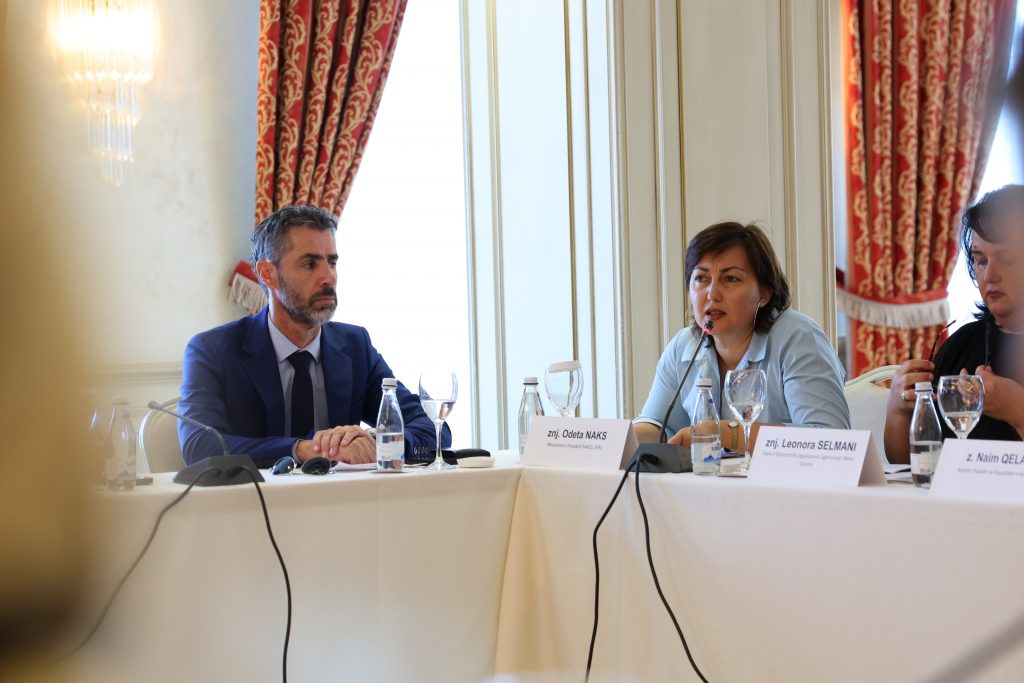
Emphasis was put in avoiding legal ambiguities, given their consequences in producing inequality. This was noted by Ms. Leonora Selmani, Head of Legal Division of the Office for Gender Equality in the Office of the Prime Minister. In her addressing she also agreed with the report findings, adding that gender-disaggregated data is missing and often misleading. “In most cases, women are listed as property owners only in cases of sole ownership, not joint ownership. Property should be registered in both spouses’ names from the start”, she added.
This event is organized in the framework of the project: “Public Information and Awareness Services for Vulnerable Communities in Kosovo (PIAKOS),” led by the Advocacy Training and Resource Center (ATRC) and supported by the World Bank through the State and Peace-Building Fund. GLPS implements the court monitoring component of PIAKOS under the project titled: “Enhance Judicial Efficiency and Transparency via Regular Court Monitoring for Cases Related to Women’s Property Rights”.
Opening remarks:
Ms. Njomza ARIFI – Executive Director, GLPS
Ms. Odeta NAKS – PIAKOS Project Manager, ATRC
Presentation of the report:
Ms. Dea FETIU – Co-author of the report, GLPS
Panelists:
Mr. Naim QELAJ – Ombudsperson in the Republic of Kosovo
Mr. Artan ABAZI – Judge, Member of the Kosovo Judicial Council
Ms. Nazlie BALA – Political Advisor, Ministry of Justice
Ms. Leonora SELMANI – Chief of the Division for Legislation, Agency for Gender Equality
Venue: Hotel Swiss Diamond, Sqr. “Mother Theresa”, 10000 Prishtina, Kosovo.
Share article


Latest Publications
June 22, 2026
Policy Notes
An Outlook for 2026: Time for Kosova to Look Ahead
June 16, 2026
Policy Analysis
PAR Monitor Report Kosovo: Policy Development and Coordination 2024/2025
June 12, 2026
Policy Analysis
Western Balkan PAR Monitor: Policy Development and Coordination
Related Espresso Insights
July 2, 2026
Espresso.Insights
Peter Magyar on Kosovo: A shift or business as usual?
by GLPS

June 5, 2026
Espresso.Insights
Assisted Voting in Kosovo: Between Protecting Electoral Integrity and Limiting the Right to Vote
by GLPS