For a professional public administration: An orientation toward strengthening the professional education of civil servants in Kosovo
December 20, 2011
The performance, professionalism and efficiency of public administrations in developing countries remain as the key foundations for both economic and political development. In addition, these criteria become predominantly significant in polities facing tough transitional and democratic challenges, as the public administration becomes subject to political and/or partisan control, wherein hindering the institutional power to deliver transparent and market-oriented policies. Of note is the fact that public administrations in post- communist polities have faced huge obstacles which have in turn hampered the institutional progress towards democratic accountability and effectiveness. For states aiming to integrate into certain international organizations, such as Kosovo, the capacity of public administration for substantive policy potency plays the key role in determining the outcome of reforms and the progress towards certain policy/state objectives. Kosovo‟s public administration is one that possesses hybrid attributes. On one hand, legacies from the former communist regime and the international administration of Kosovo hinder the progressive development of Kosovo‟s public administration. On the other hand, insufficient and often politicized structures built by the post-1999 institutions also characterize the administration‟s structure and impede its capacity to perform effectively.You can download this Policy Analysis by clicking here.
For a professional public administration: An orientation toward strengthening the professional education of civil servants in Kosovo

 Download PDF
20/12/2011
Download PDF
20/12/2011Share article


Latest Publications
June 22, 2026
Policy Notes
An Outlook for 2026: Time for Kosova to Look Ahead
June 16, 2026
Policy Analysis
PAR Monitor Report Kosovo: Policy Development and Coordination 2024/2025
June 12, 2026
Policy Analysis
Western Balkan PAR Monitor: Policy Development and Coordination
Related Espresso Insights
June 5, 2026
Espresso.Insights
Assisted Voting in Kosovo: Between Protecting Electoral Integrity and Limiting the Right to Vote
by GLPS


February 13, 2026
Espresso.Insights
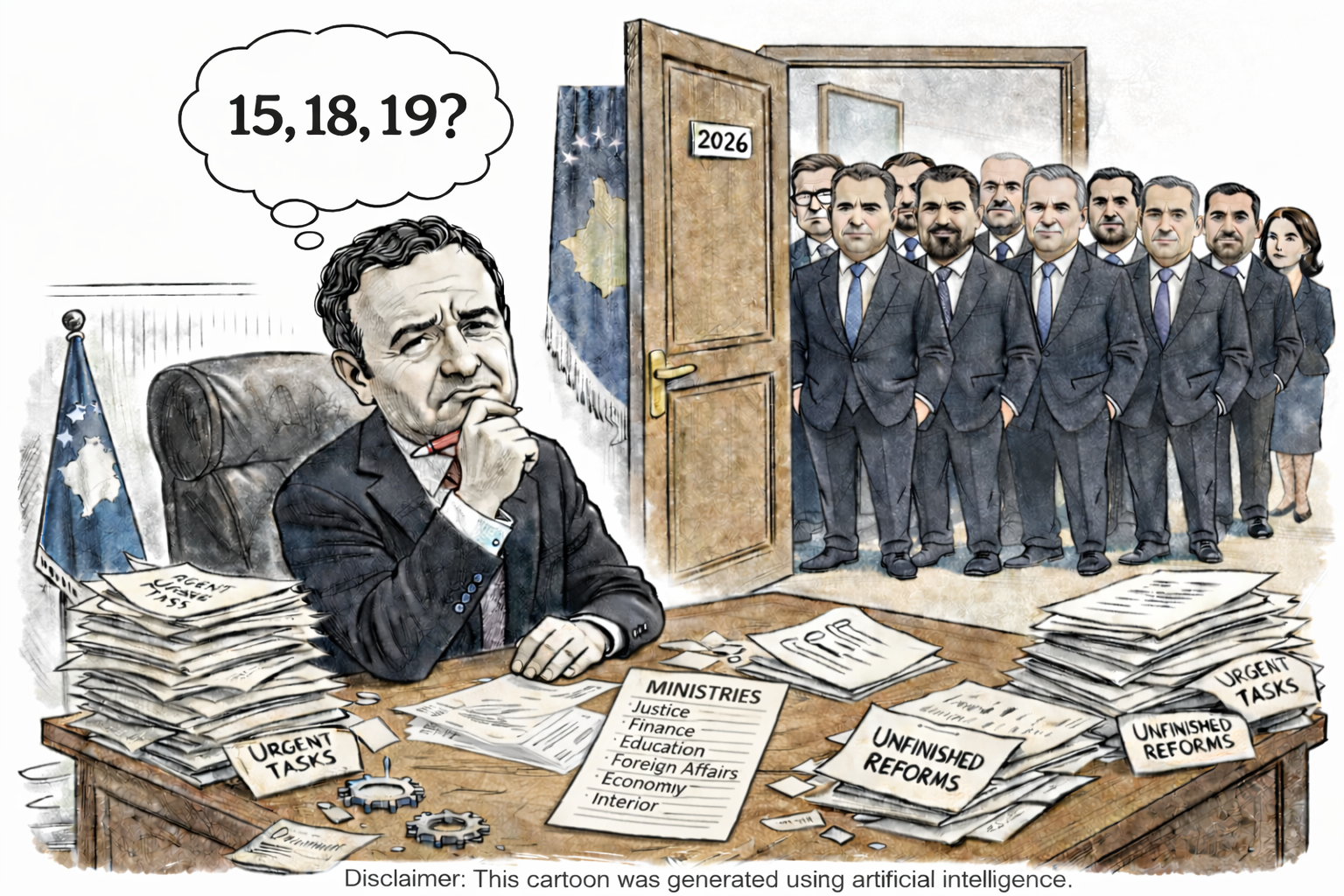
Government Size: Functional Need or Political Calculation?
by GLPS