Civil Service Reform in Kosovo: ― a debate on concepts, strategies and developments
April 17, 2013
This report, in general, explains the development of the civil service in Kosovo and challenges that lie ahead. The civil service has been identified as an important and crucial element in defining the efficiency of the state institutions. When Max Weber stated that “political domination, in everyday life, means public administration”, he referred to the fact that law and order, the core state functions, are performed by civil servants. Countries in transition face the task of establishing the basic foundations of a democratic society, for example, by adopting new constitutions, transferring power to elected representatives, creating multi-party systems, establishing favourable and competitive environments for free market operators, encouraging the development of civil society organizations, and promoting the independence of mass media.These tasks demand a profound transformation of the state administration and its overall system of governance, and notably a reorientation of the civil service towards an impartial and professional policy body that ensures a less arbitrary use of public authority. This report, first, provides an overview of the legal and institutional transformation of the civil service in Kosovo from its establishment in 2000, examining the core principles and institutions under both, the United Nations Mission in Kosovo (UNMIK) interim administration, and those that characterised the post-independence landscape. With that aim, the first section of the report provides information about the creation of the civil service system, its tradition and reform. It also elaborates some general definitions of civil service and applies them to the case of Kosovo.
Civil Service Reform in Kosovo: ― a debate on concepts, strategies and developments

 Download PDF
17/04/2013
Download PDF
17/04/2013Share article


Latest Publications
June 22, 2026
Policy Notes
An Outlook for 2026: Time for Kosova to Look Ahead
June 16, 2026
Policy Analysis
PAR Monitor Report Kosovo: Policy Development and Coordination 2024/2025
June 12, 2026
Policy Analysis
Western Balkan PAR Monitor: Policy Development and Coordination
Related Espresso Insights
July 2, 2026
Espresso.Insights
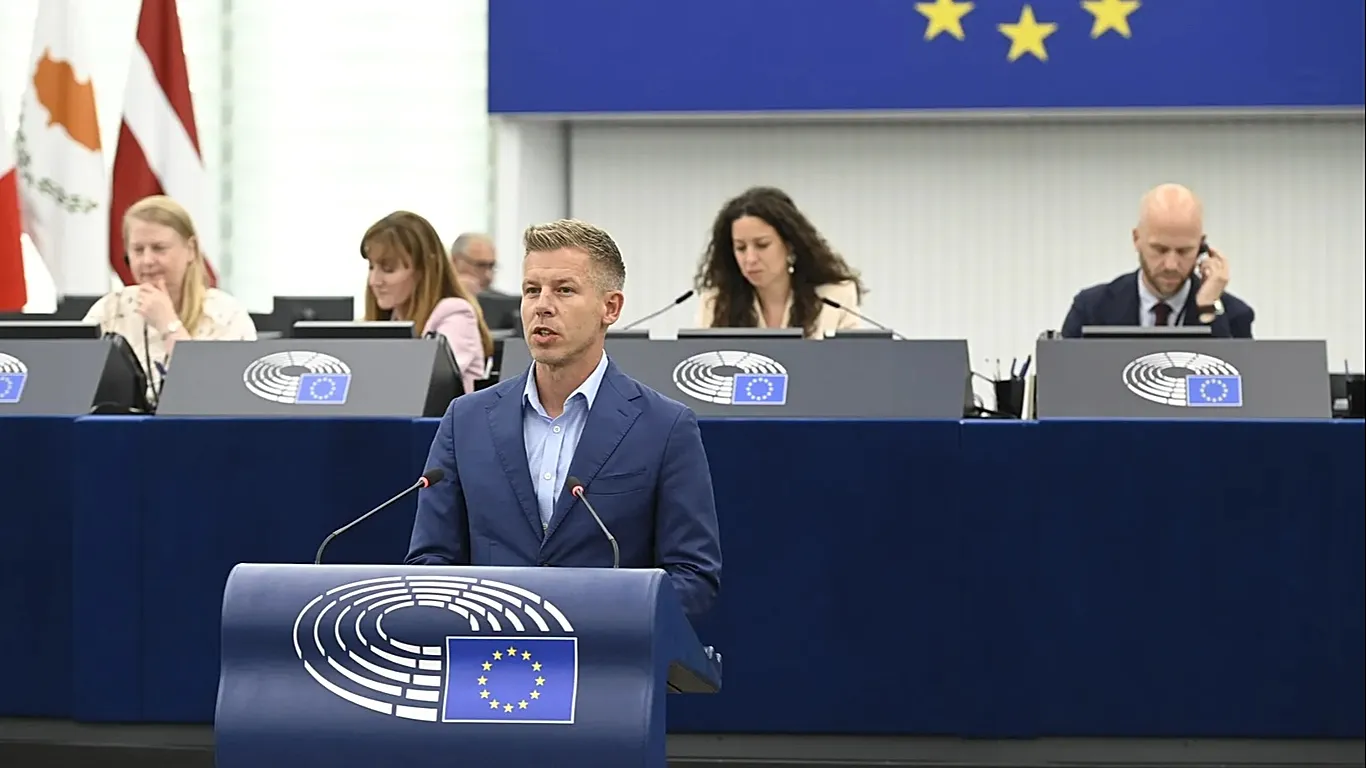
Peter Magyar on Kosovo: A shift or business as usual?
by GLPS

June 5, 2026
Espresso.Insights
Assisted Voting in Kosovo: Between Protecting Electoral Integrity and Limiting the Right to Vote
by GLPS